
Medical content by Elias Tsiolis, Director Surgeon · Last updated: 11 May 2026
It develops gradually, often from benign polyps, which over the years can become malignant.
Prevention through colonoscopy and early surgical treatment are the two most important “weapons” against it.
Everything You Need to Know About Colorectal Cancer
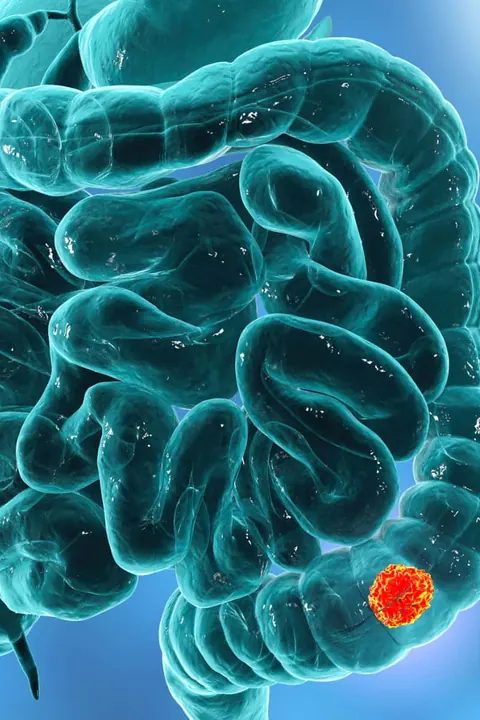
Colorectal cancer starts in the inner wall of the bowel, usually as a polyp.
Over time, if it is not removed, the altered polyp can spread into deeper layers, invade the surrounding tissue or spread to other organs.
Causes and Risk Factors
Certain factors increase the likelihood of the disease:
- Age > 50
- A diet rich in red meat and fat
- Low in fiber
- Obesity
- Smoking and alcohol
- Family history (polyps, colorectal cancer)
- Inflammatory bowel disease (ulcerative colitis, Crohn's disease)
Symptoms
In the early stages, cancer may give no symptoms at all, which is why screening is vital.
When symptoms appear, they usually include:
- Changes in bowel habits (constipation or diarrhea)
- Blood in the stool (visible or microscopic)
- A feeling of incomplete emptying
- Unexplained weight loss
- Abdominal pain or bloating
- Anemia and fatigue
Rectal bleeding is a symptom that should never be ignored, even if it is put down to “hemorrhoids”.
Diagnosis
Diagnosis is made with a combination of examinations:
- Colonoscopy: the most important examination; it allows direct inspection, mapping of any tumors and removal of polyps or biopsies.
- Biopsy: confirms the diagnosis of malignancy.
- CT or MRI: for staging and to check for spread.
- Blood tumor markers.
Treatment
The treatment approach depends on the stage of the disease at diagnosis. Surgery is the main and most effective treatment.
Surgical Treatment
Laparoscopically assisted resection
- Laparoscopic or robot-assisted resection is today the “gold standard” in oncological bowel surgery:
- Removal of the affected section with safe oncological margins.
- Removal of the lymph nodes.
- Reconnection of the bowel with special techniques (anastomosis).
- Small incisions – fast recovery.
- In cases of perforation or obstruction, a temporary stoma may be created, which is reversed at a later stage.
Additional Treatment
- Depending on the stage:
- Chemotherapy, in advanced stages or after the operation.
- Radiotherapy, mainly for rectal cancer.
- Targeted therapies (biologics), in selected cases.
Prognosis
- The prognosis of colorectal cancer has improved significantly in recent years thanks to:
- Screening,
- Modern surgical techniques, and
- Personalized oncological treatment.
- When the diagnosis is made before the cancer has spread, cure rates are very high.
Aftercare
- Light diet for the first days
- Gradual return to normal bowel function
- Regular follow-up with blood tests and imaging
- Repeat colonoscopy every 1–3 years
- Psychological and nutritional support, where needed
Quality of life after the operation is excellent, and most patients return fully to their activities.
Frequently Asked Questions
Is colorectal cancer common?
Yes, it is one of the most common cancers, but also one of the most curable when diagnosed early.
Can it be prevented?
Yes, with regular colonoscopy from the age of 45–50 and removal of polyps before they progress.
Is a colonoscopy painful?
No. It is often done under sedation (light anesthesia) and is completely painless.
Is it hereditary?
Yes, people with a family history of cancer or polyps are at higher risk. Earlier and more frequent screening is recommended.
When should I be concerned?
If you see blood in your stool, have unexplained weight loss or persistent bowel problems.
Can it be cured completely?
Yes, in the early stages surgical resection is curative.
What is the best surgical method?
Laparoscopic or robot-assisted resection, because it offers:
- Oncological safety
- Minimal pain
- Faster recovery
- Better cosmetic result
How long is the hospital stay?
Usually 3–5 days for a laparoscopic resection.
How can I reduce my risk?
- A diet with fiber, fruit and vegetables
- Less red meat and fat
- Exercise, stopping smoking and alcohol
When can I return to work?
In 2–6 weeks, depending on the type of operation, the nature of your work, the need for additional treatment and your general condition.