
Medical content by Elias Tsiolis, Director Surgeon · Last updated: 11 May 2026
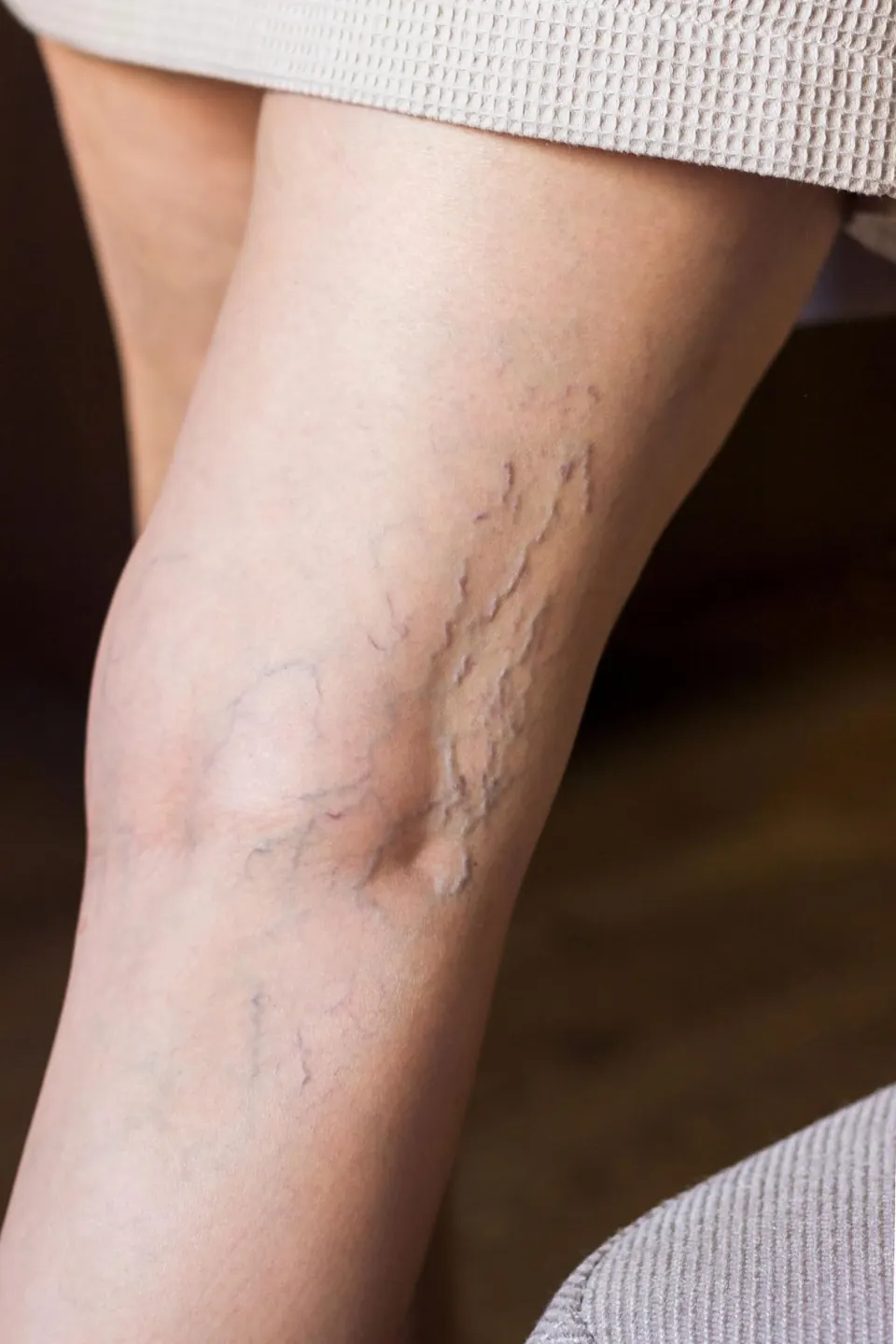
Varicose veins are swollen, twisted veins that usually appear on the legs. They are caused by failure of the venous valves, which normally let blood flow upwards towards the heart. When the valves do not work properly, blood pools in the veins, causing dilation, swelling and heavy legs.
Varicose veins are common, but they are not only a cosmetic issue — they are a sign of venous insufficiency and can cause pain, cramps and skin changes if not treated in time.
Everything You Need to Know About Varicose Veins
Causes and Risk Factors
Venous insufficiency and varicose veins may be caused by:
- Hereditary predisposition
- Prolonged standing or sitting at work
- Obesity
- Pregnancy
- Hormonal changes (e.g. contraceptives)
- Injuries or venous thrombosis
- Age and reduced elasticity of the vessels
Symptoms
The most common symptoms of varicose veins include:
- A feeling of heavy or tired legs
- Pain, burning or itching along the veins
- Swelling (edema) of the ankles
- Cramps at night
- Hormonal changes (e.g. contraceptives)
- Visible swollen, bluish veins under the skin
- Changes in skin color (in advanced cases)
Diagnosis
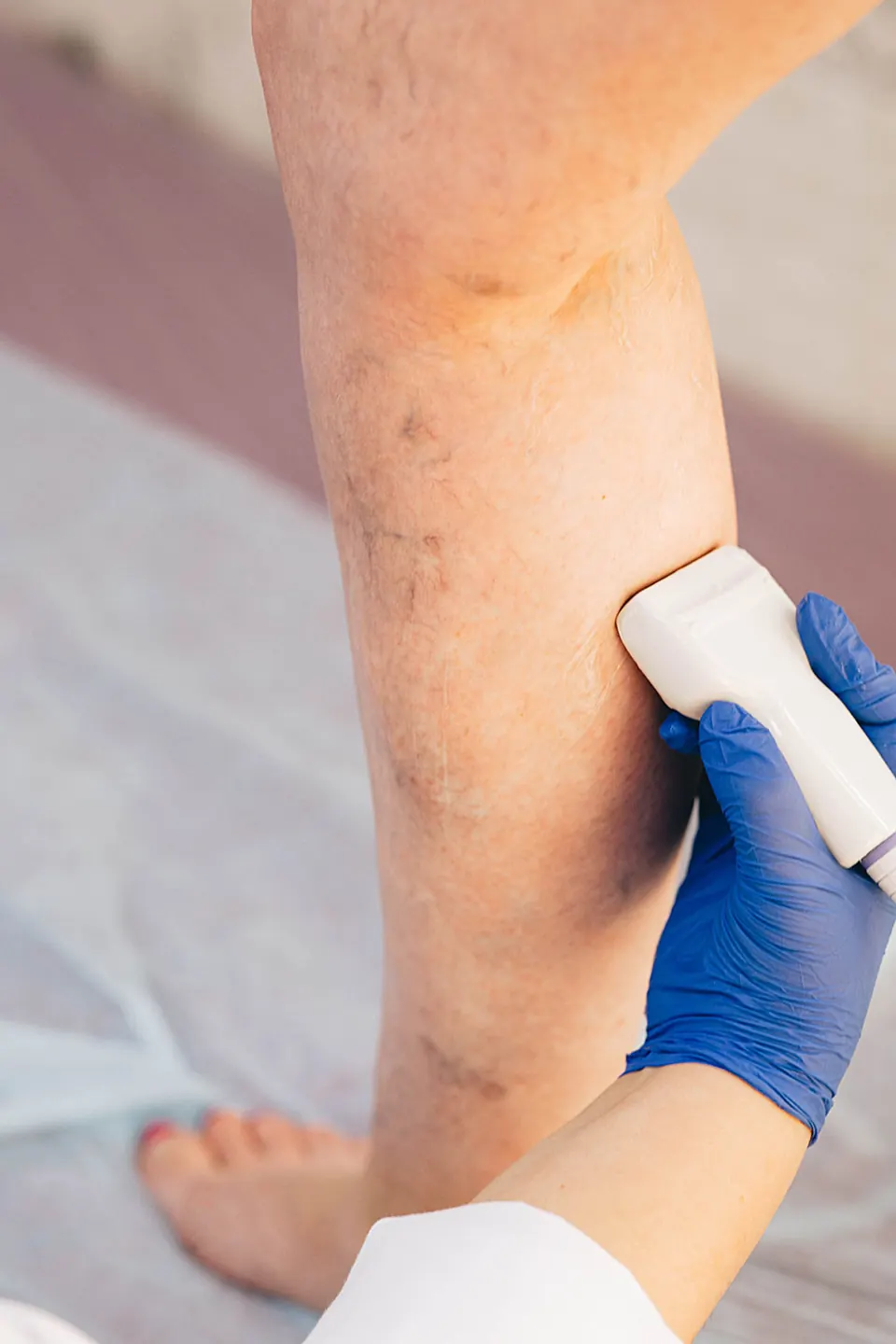
Diagnosis is made by clinical examination and confirmed with a venous duplex (triplex) ultrasound of the legs, a painless scan that shows blood flow and how the valves are working.
Treatment
Treatment depends on the severity of the venous insufficiency and the patient's needs.
Conservative Treatment
- Compression stockings
- Exercise & walking
- Weight loss
- Avoiding prolonged standing or sitting
- Raising the legs when resting
Conservative treatment relieves symptoms but does not remove varicose veins.
Surgical Treatment
Modern methods are minimally invasive and have completely replaced the old “open” operations.
Laser (EVLA) & Radiofrequency (RFA)
- Thermal closure of the vein from the inside
- Painless, bloodless procedure under local anesthesia
- Takes 30–45 minutes
- Immediate return to activities
- Excellent cosmetic result
Microphlebectomy
Superficial varicose veins are removed through tiny punctures made with a needle under local anesthesia, without the need for stitches.
Sclerotherapy & Foam Therapy
A special sclerosing solution or foam is injected into the vein, which seals it so that it gradually disappears.
All the above methods are performed as outpatient procedures and do not require a hospital stay.
Aftercare
- Wear a compression stocking for 5–7 days
- Walking from the same day
- Avoid strenuous exercise for 1 week
- Immediate return to work
Results are visible straight away and the relief of symptoms is dramatic.
Frequently Asked Questions
Are varicose veins dangerous?
No, but if left untreated they can cause phlebitis, dermatitis or ulcers.
Is laser treatment painful?
No, it is performed under local anesthesia and is painless.
Will I need to stay in hospital?
No, the procedure is done as an outpatient and takes less than an hour.
Can varicose veins come back?
Not in the same place, but if there is a genetic predisposition they may appear in other veins.
When can I walk after treatment?
Immediately. In fact, walking helps circulation and healing.
When is the cosmetic result visible?
Within a few days, as the veins gradually fade.
Are there complications?
Rarely. There may be mild numbness or bruising, which disappears completely within 7–10 days.
Which method is best?
The choice depends on the type and location of the varicose veins — laser and radiofrequency are the most modern and effective options.
Spider Veins (Broken Capillaries)
Spider veins are small, dilated veins or capillaries that show on the skin as thin red, purple or blue lines. They appear mainly on the legs but also on the face, and are the mildest form of venous insufficiency.
Although they are not a health risk, they often cause cosmetic concern and a burning or heavy feeling, especially after standing for long periods.
With modern laser and sclerotherapy treatments, spider veins can be removed quickly, painlessly and without marks.
Everything You Need to Know About Spider Veins
Causes and Contributing Factors
The main factors that lead to spider veins are:
- Heredity
- Hormonal changes (pregnancy, contraceptives, menopause)
- Prolonged standing or sitting at work
- Lack of exercise
- Obesity
- Sun exposure (especially for the face)
- Skin ageing and loss of elasticity
Women are affected more often, but spider veins also appear in men, especially those who stand for many hours.
Symptoms
- Visible thin red or blue lines on the skin
- A burning, heavy or tired feeling in the legs
- Swelling or discomfort after standing for long periods
- Rarely, mild pain or itching
Diagnosis
Diagnosis is clinical and based on the appearance of the vessels. If deeper venous insufficiency is suspected, a venous duplex ultrasound is recommended before starting treatment.
Treatment of Spider Veins
Modern methods are painless, safe and effective straight away.
Vascular Laser
The laser emits light of a specific wavelength that is absorbed by the hemoglobin in the vessel, sealing the vessel without affecting the surrounding skin.
Advantages:
- Painless procedure without anesthesia
- Excellent cosmetic result
- Suitable for spider veins on the face and legs
- No scars or discoloration
Treatment takes 20–30 minutes, and the vessels fade gradually over 2–4 weeks.
Sclerotherapy (Injection Therapy)
A special sclerosing solution is injected into the vessel, causing it to close. Blood flows through healthy vessels and the “broken” one is gradually absorbed.
Advantages:
- Performed in the clinic
- Painless, without anesthesia
- Immediate return to activities
- Ideal for spider veins on the legs
- In some cases it is combined with laser for the best result.
After Treatment
- Mild redness or tenderness settles within 1–2 days
- Avoid sun and heat for 5–7 days
- Moisturizing and gentle skin care
- Return to normal activity the same day
Frequently Asked Questions
Are spider veins dangerous?
No. They are benign and mainly a cosmetic problem, but they indicate early venous insufficiency.
Is laser treatment or sclerotherapy painful?
No, the discomfort is minimal, like a light pinprick.
Is anesthesia needed?
No, all treatments are done without anesthesia or a hospital stay.
How many sessions are needed?
Usually 1–3 sessions, depending on the number and size of the vessels.
Will they come back?
Not in the same places, but new vessels may form over time, especially if predisposing factors are present.
Can laser and sclerotherapy be combined?
Yes, and this combination gives the best cosmetic results.
Are there side effects?
Only mild redness or tenderness, which settles within 24–48 hours.
Is laser safe for all skin types?
Yes, with modern laser technology it is completely safe.
What should I avoid after treatment?
Sunbathing, saunas and hot baths for 5–7 days.
When are the results visible?
From the first week, with full improvement in 3–4 weeks.